


Public Safety Notice: Electric Vehicles and Floodwater Hazard
Keep Electric Vehicles Out of Salt Water and Away from Structures
Many of the roads this week are flooded. Island residents and visitors are urged to use extreme caution with electric vehicles (EVs), hybrid vehicles, and electric golf carts or low-speed vehicles (LSVs) during storm surges, overwash, and coastal flooding events.
The Danger of Salt Water:
Driving an electric or hybrid vehicle through salt water—or allowing it to sit in saltwater floodwaters—poses a severe fire hazard. Salt is highly corrosive and conducts electricity. When salt water enters the high-voltage battery pack, it can cause short circuits, internal corrosion, and thermal runaway.
This process can trigger intense battery fires that:
- Can ignite hours, days, or even weeks after the vehicle has dried out.
- Burn at extremely high temperatures and are notoriously difficult for fire departments to extinguish.
- Release toxic fumes and risk reigniting multiple times.
Critical Safety Guidelines:
- Do NOT park under homes or attached carports: Many island homes are elevated on pilings. If an EV has been exposed to salt water or if coastal flooding is anticipated, do not park it under or directly adjacent to your home. A delayed battery fire underneath an elevated house can rapidly consume the entire structure before occupants can safely escape.
- Do NOT drive through saltwater flooding: Never attempt to drive an electric or hybrid vehicle through standing floodwaters or ocean overwash on Highway 12 or village streets.
- Park on high ground, away from structures: In advance of storms or king tides, park EVs on high ground in open areas at least 50 feet away from houses, outbuildings, and other vehicles.
- If flooded, do not operate or charge: If your EV, hybrid, or electric cart has been submerged or touched by salt water, do not attempt to start it, drive it, or plug it into a charger. Contact emergency services or a certified towing company immediately.
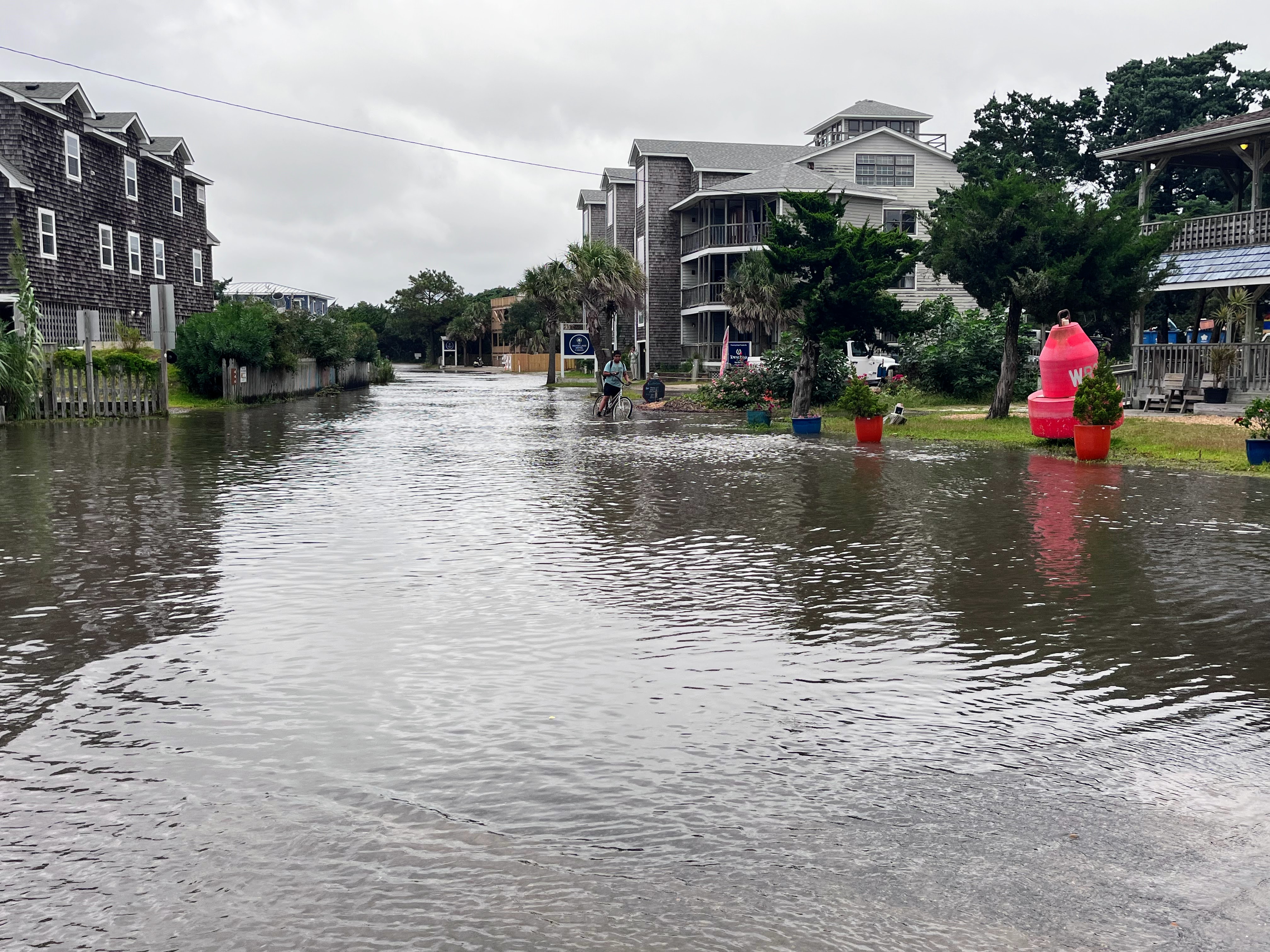


E bikes, as well, I presume
ALL EVs, Unsafe at any Speed! 🔥🔥🔥